Corporate Headshots · Brussels
“I’m Not Photogenic”: The Objection Every Team Has Before a Headshot Day
“I’m not photogenic” is the sentence an HR manager hears most often after announcing a company headshot day, and it is almost never about anyone’s face.
What the objection actually means
Being uncomfortable in front of a camera has little to do with appearance and a lot to do with being looked at deliberately, at work, by a stranger, while colleagues wait their turn. That combination is unfamiliar for most people, and unfamiliarity reads as dread.
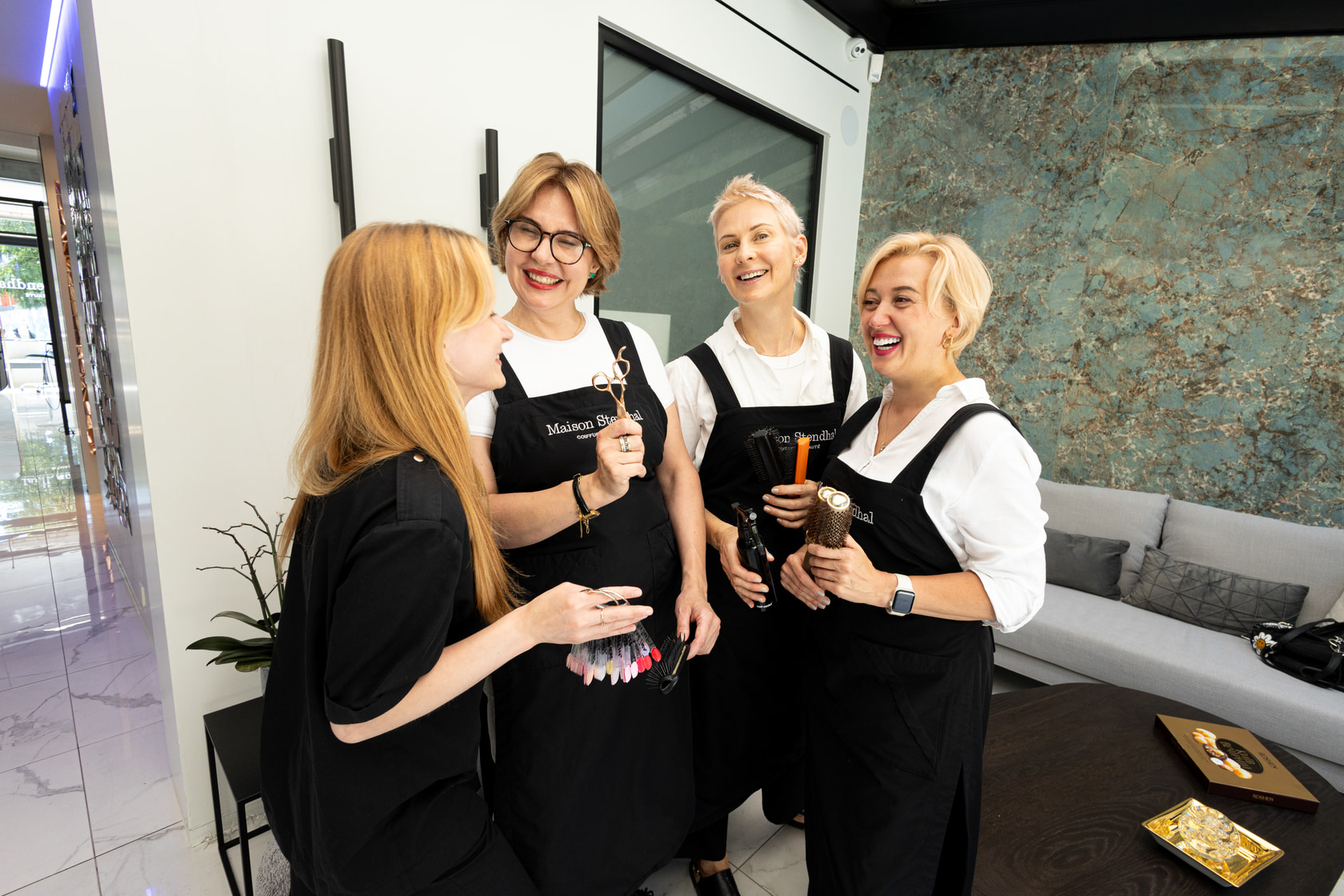
There is usually a second layer underneath it. A professional portrait is going on LinkedIn, on the company website, next to a job title. It is a small public statement about status and belonging, and people who feel unsure about either will find a reason to skip the session.
Why it costs the company money
A team portrait set works only when it is complete. One missing department head or three empty squares on the team page undo the consistency that justified the shoot in the first place. Every person who opts out lowers the return on a fixed cost already paid.
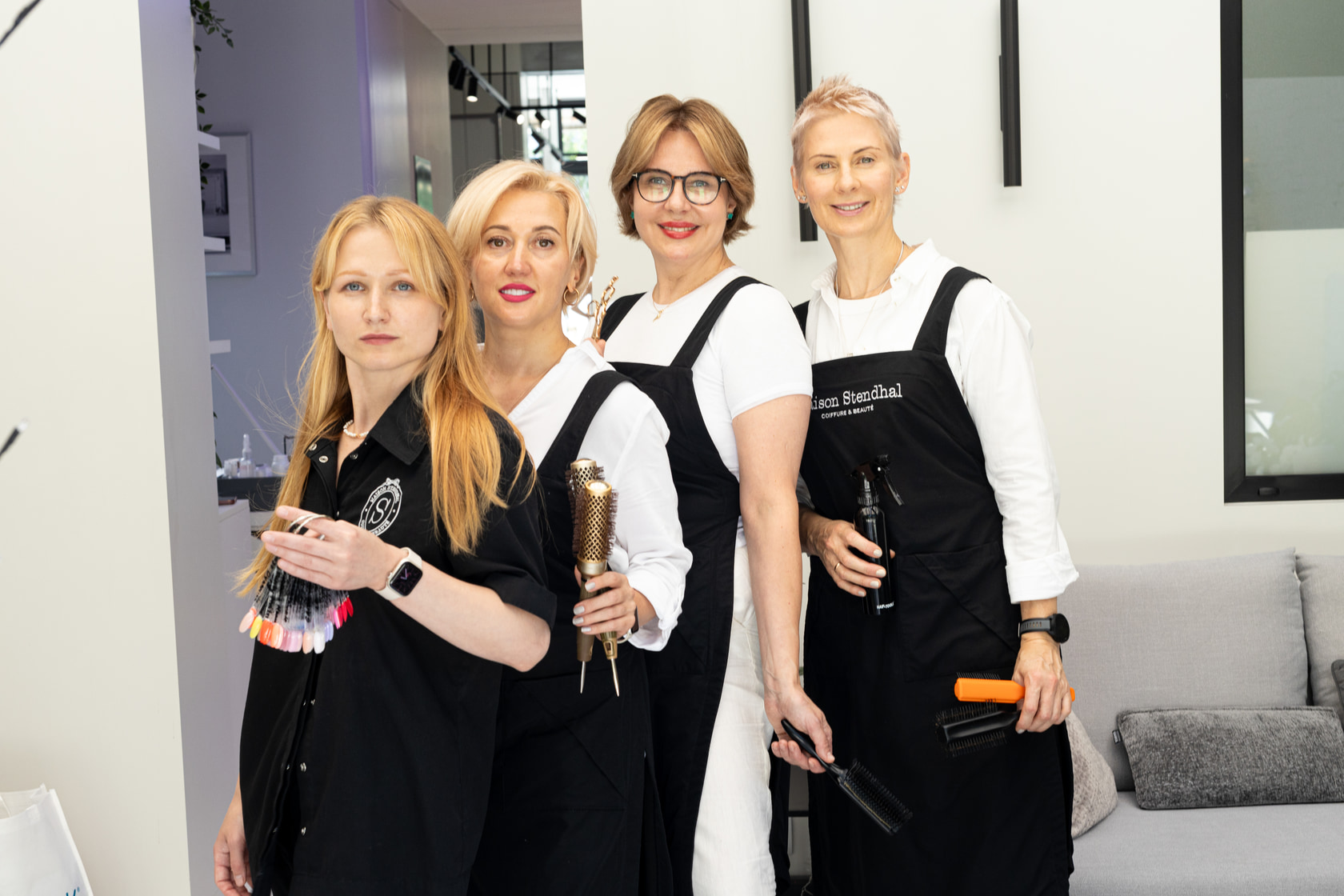
Rescheduling individuals later is the expensive fix. A second visit for four stragglers can cost a third of the original session, and the light rarely matches well enough for the portraits to sit together on the same page.
What actually changes the outcome
Tension photographs badly. Faces do not. A relaxed posture reads as confident regardless of features, and the first two minutes of a session are what determine whether the rest of it is usable.
A photographer used to reluctant subjects spends those minutes on small talk and low-stakes frames that never get delivered, so shoulders drop before anything that matters is captured. On a corporate day this has to be built into the schedule, not squeezed between slots.
What HR can do before the day
Tell people what the photo is for and where it will appear. Uncertainty about usage drives more refusals than vanity does.
Give a dress guideline rather than a dress code, and send it a week ahead, not the night before. People who feel prepared arrive calmer.
Let employees see and approve their own frame before it is published. This single policy removes most of the resistance, because the fear is rarely about being photographed and almost always about losing control of the result.
Book slots rather than a queue. Standing in line watching colleagues be photographed is the worst possible warm-up.
A better question than “am I photogenic”
The useful question is not whether someone photographs well. It is whether the current photo represents the person and the role accurately. An outdated portrait, a cropped holiday snapshot or a placeholder grey silhouette all say something to a client reading the page, and none of it is what the company intended.
Photogenic is not a fixed trait. It is a temporary state produced by feeling at ease, and producing that state on a busy office day is the photographer’s job, not the employee’s.
Planning a headshot day for your team in Brussels?
See my estimate