Photography Tips · Brussels
Ghost Mannequin vs. Real Model: Which Is Right for Your Brussels Clothing Brand?
A small clothing brand with a limited budget almost always hits the same fork in the road: ghost mannequin photography, or a real model. Both produce a usable product photo. They do not produce the same result, and picking the wrong one for a given stage of the business wastes money either way.
What ghost mannequin actually is
Ghost mannequin photography shoots a garment on an invisible mannequin or form, then removes the form in editing so the clothing appears to float with the shape of a body but no visible model. It is faster to shoot, cheaper per item, and consistent across a large catalog, since lighting and angle stay the same from product to product.
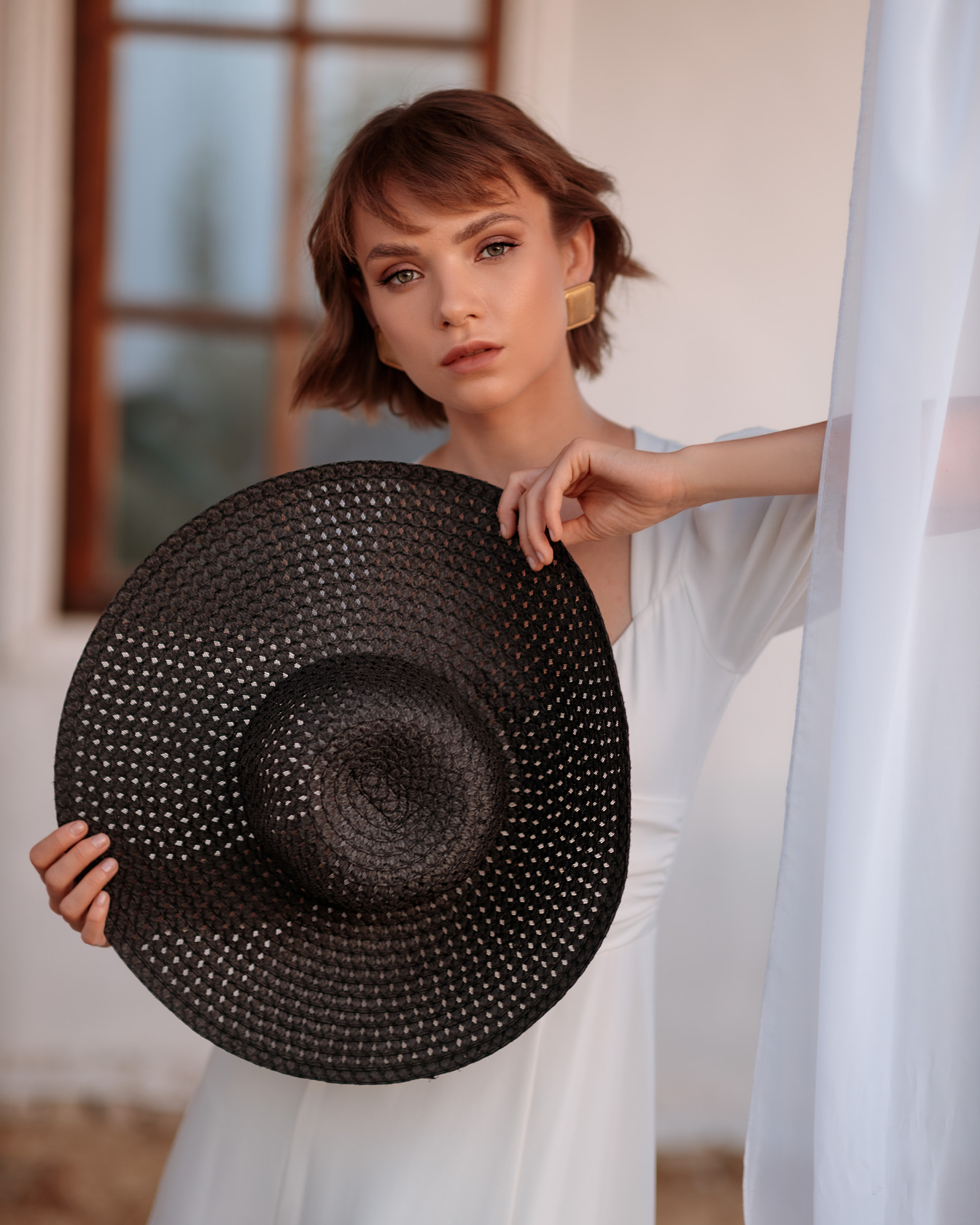
What a real model adds
A model shows how a garment actually falls on a human body: how fabric moves, how a cut sits at the waist, how proportions read on an actual person rather than a mannequin. For fit-sensitive items like dresses, tailored pieces, or anything where drape matters, a model photo answers questions a flat ghost-mannequin shot cannot.
The budget-stage answer
For a startup or small brand launching a first collection with dozens of SKUs and a tight budget, ghost mannequin usually wins on pure economics: faster turnaround, lower cost per item, and a clean, consistent catalog look. For a brand at the stage where conversion rate matters more than catalog volume, particularly for higher-priced or fit-sensitive garments, the cost of a model session pays for itself through fewer returns and higher confidence at checkout.
| Ghost Mannequin | Real Model | |
|---|---|---|
| Shooting speed | Faster | Slower |
| Cost per unit | Lower | Higher |
| Catalog consistency | High (same light and angle across the whole catalog) | Lower without standardization |
| What it shows | The shape of the garment | How the fabric fits and moves on the body |
| Best suited for | Large catalogs, launching on a tight budget | Fit-sensitive and higher-priced items where conversion matters |
A middle path that works for many Brussels brands
Many small fashion brands do not have to pick one exclusively. A hybrid approach, ghost mannequin for the bulk of the catalog and a model for hero pieces or new arrivals, covers both the volume problem and the fit-confidence problem without doubling the budget across the entire collection.
The real question is not which technique looks better. It is which one answers the specific doubt a customer has in their head at the moment they are deciding whether to buy.
Planning a clothing catalog shoot in Brussels?
See my estimate