Fashion Photography · Brussels
Editorial Fashion Photography vs. Influencer Content: What Actually Proves Quality?
A brand deciding between editorial photography and influencer content is really deciding between two different assets: one that proves art direction to an outside editor, and one that borrows an audience for a season. They answer different questions, and confusing them is where budgets get wasted.
What magazine publication actually proves
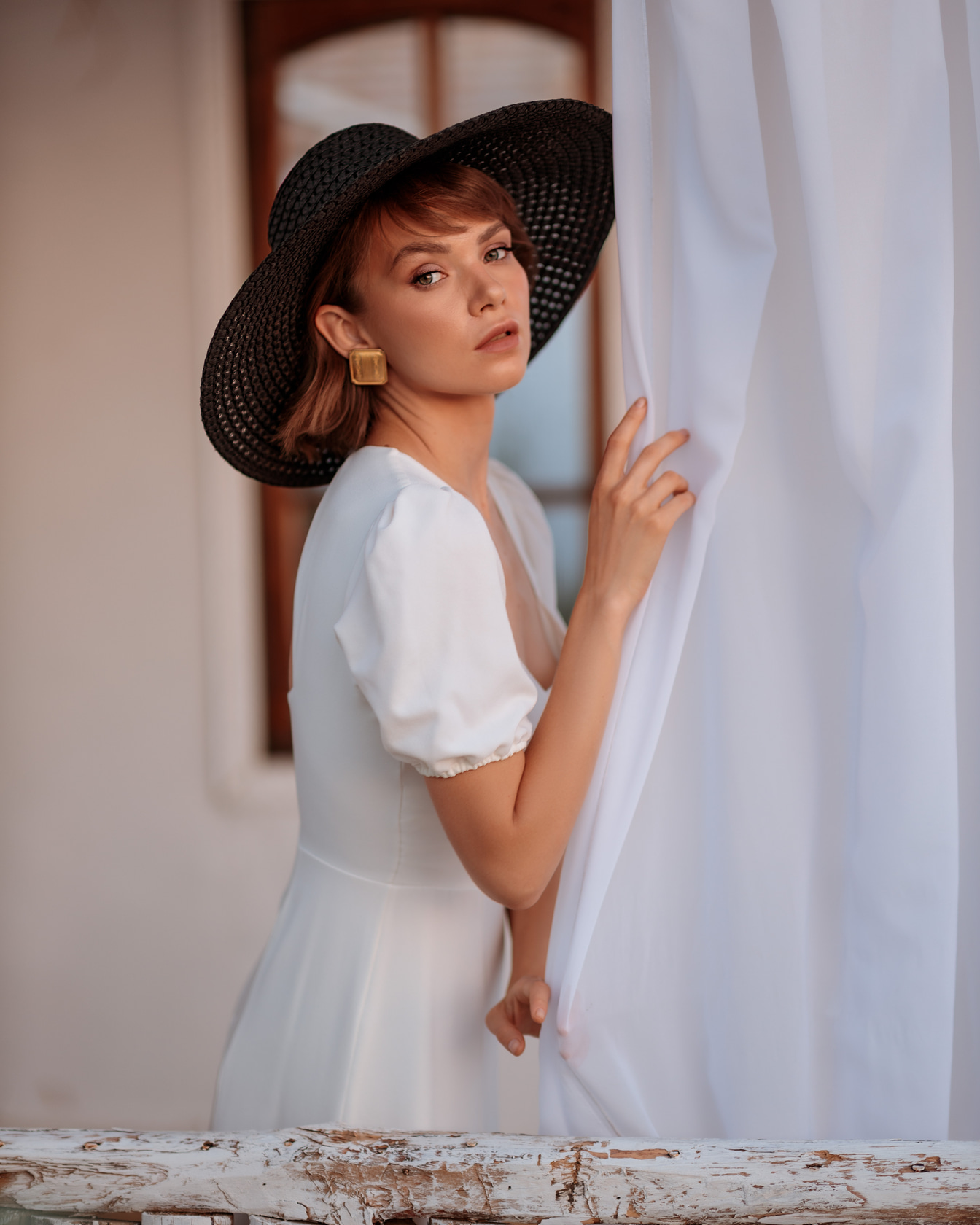
A portfolio is curated by the photographer who made it, which makes it a weak filter on its own. A published editorial page has passed a harder test: it was judged by an outside editor with nothing invested in the outcome, and rejected work never runs. Five series of mine have run in fashion magazines — MALVIE, 17.23, Trend Privé twice, and Shuba — and the useful habit for any brand vetting a photographer is to ask for published work rather than portfolio selections, since publication is the one credential a photographer cannot self-select.
Rights: who owns the images, and what about the model
Usage needs to be defined in writing before the shoot, including whether the images can run in paid advertising rather than only appear as editorial content. Model releases are handled at the same time, not afterwards. The most common way an editorial budget gets wasted is not a bad shoot, it is a strong series nobody can actually use commercially because a release was never signed — a paperwork gap that costs more than the shoot itself.
Influencer content and editorial are not competing for the same job
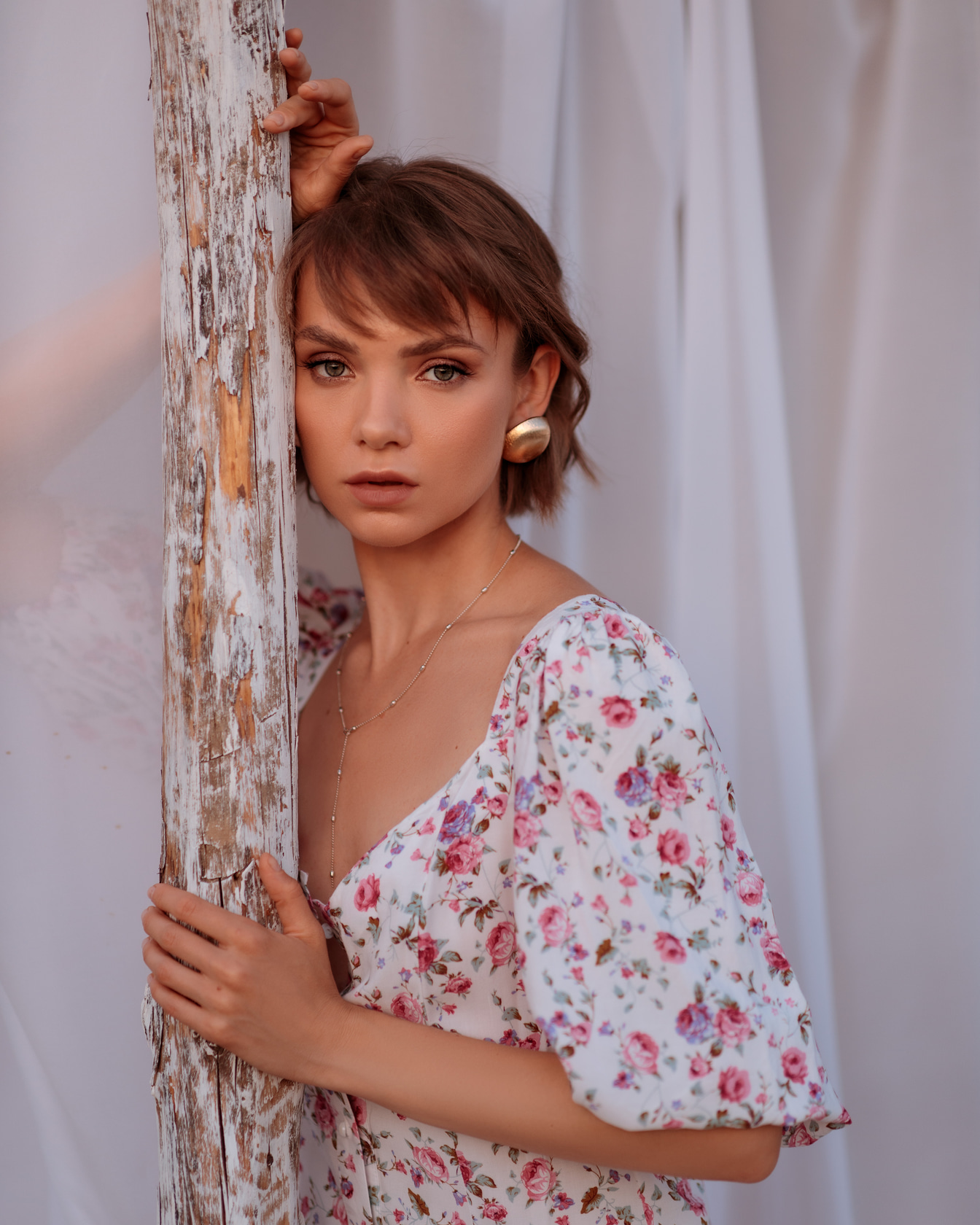
Influencer material borrows someone else's audience and someone else's visual register for the length of a collaboration; it is fast and it works for immediate reach. Editorial builds a register that belongs to the brand and stays with it after the collaboration ends — a street, a light, a kind of person that carries across a season and gives paid social something other than product on white. Most brands need both, but only the second one accumulates into something the brand still owns a year later.
Comparing on the wrong metric
Reach is the metric influencer content is built to win, and comparing an editorial series against it on that basis is comparing two different products by one number. The metric editorial should be judged on is whether an outside editor would run it — which is exactly what publication history answers, and exactly what a portfolio alone cannot. This is one part of a wider fashion photography plan built around a season rather than a single post.
What an editorial session typically costs
Editorial work is billed by the hour with a minimum rather than as a fixed package, because a short session in one street with one model is a different job from a full day across three locations with changes. In Brussels, a single session typically falls between 300€ and 1,500€ depending on locations and changes. Market estimate based on general Brussels editorial photography pricing patterns, not a fixed rate card.
The question worth asking a photographer is not "how many followers do you reach" but "who outside your own portfolio has approved this work." One of those answers can be checked independently; the other cannot.
Planning an editorial series for your brand or agency?
See Fashion Photography