Photography Tips · Brussels
A Pre-Shoot Checklist: How to Prepare Your Products Before a Packshot Session
The single biggest factor in how smoothly a product photography session runs has nothing to do with the photographer’s equipment. It is how prepared the products are before the camera is even set up.
Before the shoot
Assemble every item completely and remove all packaging and shipping labels. Anything not fully assembled or still wrapped adds time that gets billed as part of the session.
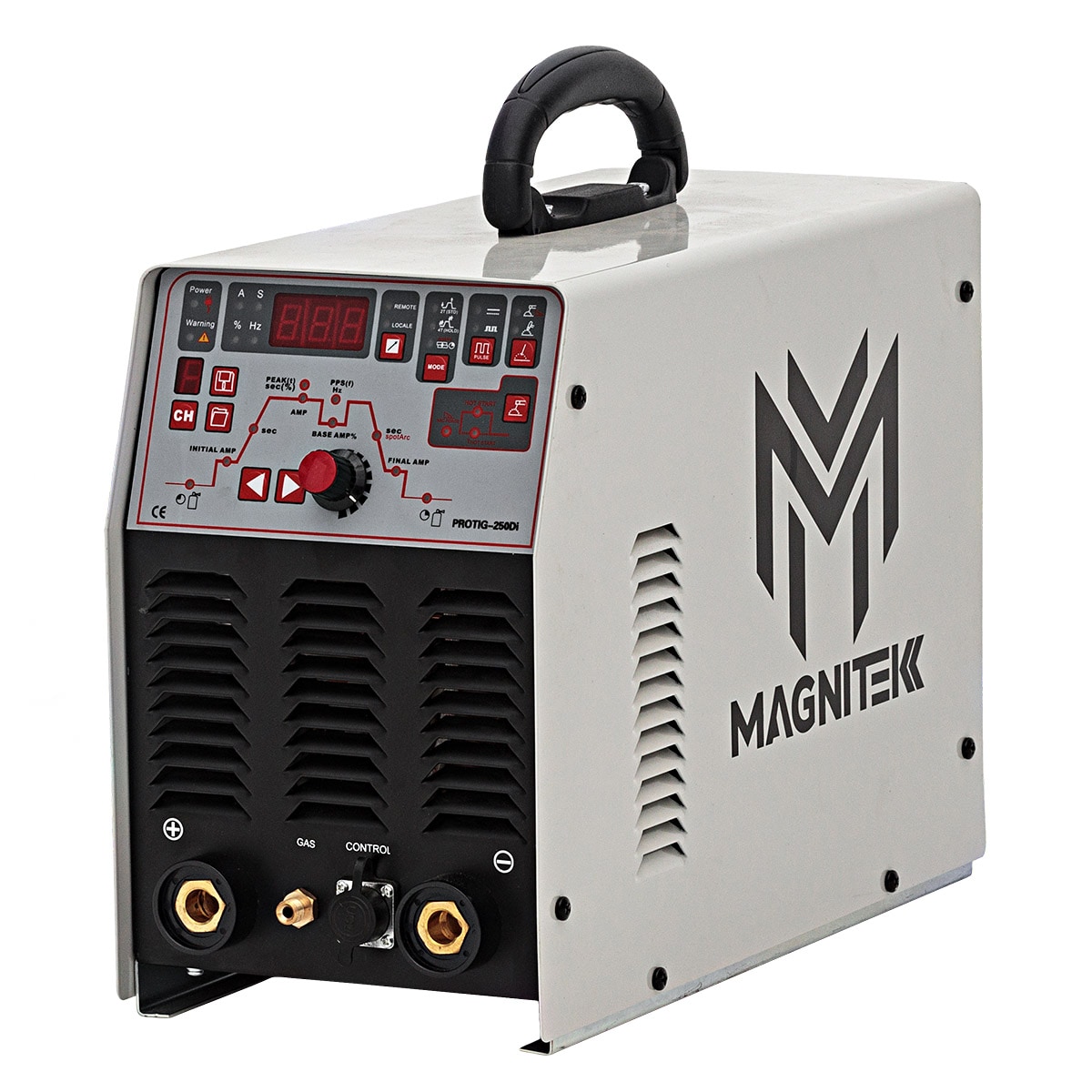
Clean each product thoroughly: polish reflective surfaces, remove dust, and check for fingerprints. These details are invisible at arm’s length but become obvious the moment a macro lens gets close.
Organize products in the order they will be shot, and label anything with SKU numbers clearly so nothing gets mixed up during a long session covering dozens of items.
Know your brand’s visual style before walking in. A photographer can suggest an aesthetic, but a brand that already knows whether it wants clean minimalism or warmer styling saves real time during the shoot itself.
During the shoot
Keep a single consistent background across the entire catalog. Inconsistent backgrounds, a different surface or lighting setup for each product, is the most common mistake in self-shot catalogs and the fastest way to make a store look unprofessional even when individual photos are technically fine.
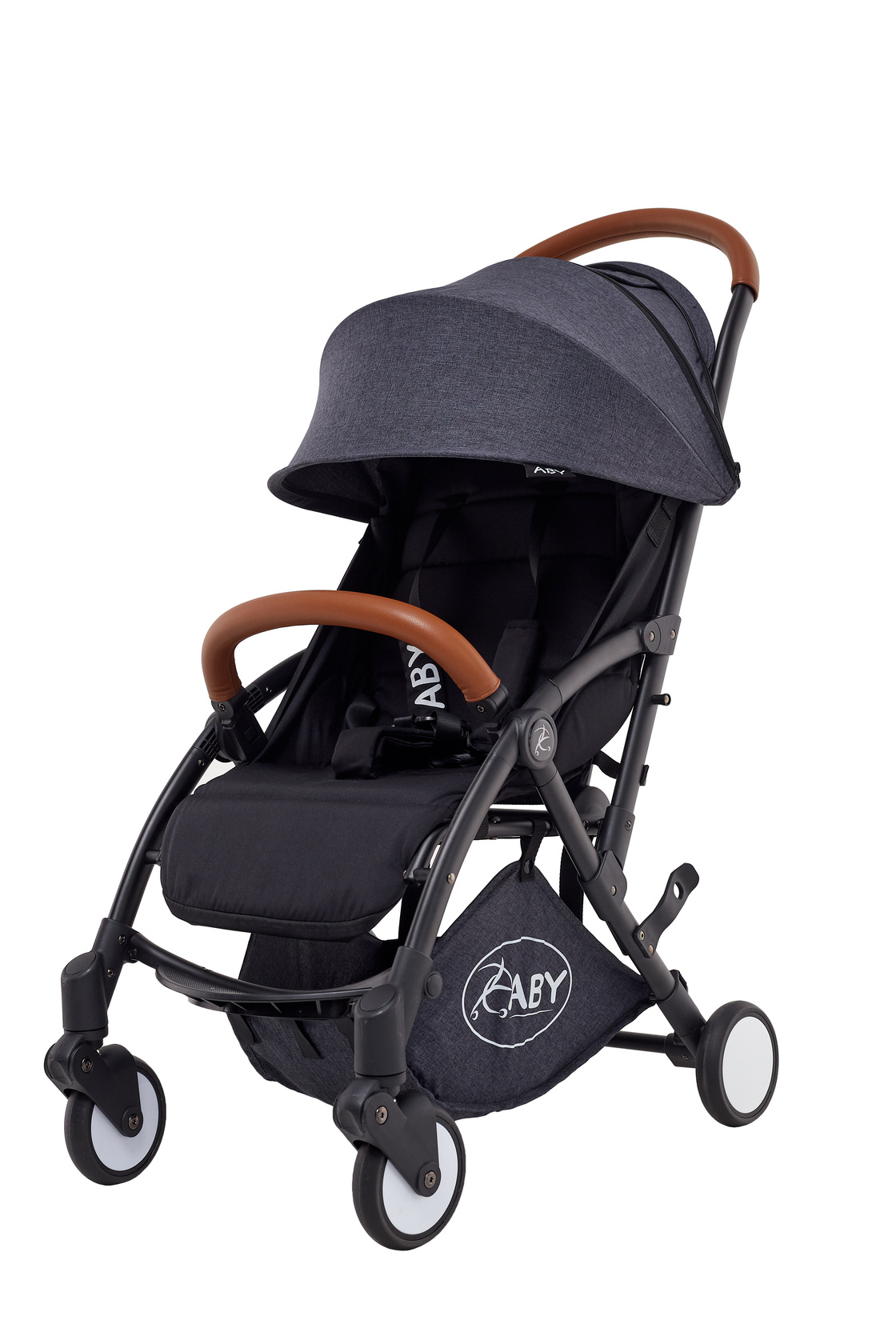
Bring backups of anything fragile or prone to wear, since repeated handling during a session can visibly damage a product before the shoot finishes.
What this prevents
Poor preparation does not just slow the shoot down. It shows up directly in the final images: smudged labels that cannot be fixed in editing, inconsistent product condition across near-identical items, and retouching costs that climb because the photographer has to fix problems that thirty minutes of prep would have avoided.
A well-prepared shoot moves faster, costs less in post-production, and produces a catalog that looks consistent from the first product to the last.
Planning a product photoshoot in Brussels?
See my estimate