Photography Tips · Brussels
Press and Media Headshots: What Journalists Actually Need
A high resolution vertical portrait, a horizontal frame with room for overlaid text, a neutral-background version, and print-resolution files — prepared once, ready whenever a journalist asks, rather than assembled in a panic against a deadline.
The request always arrives with a short deadline
When a journalist asks for a photograph, the timeline is short and the request is specific: high resolution, a horizontal option, and something that won't look dated next to the article. Companies without a prepared set send whatever exists, and the publication ends up running a cropped LinkedIn thumbnail — not because nothing better exists in principle, but because nothing better exists in the next twenty minutes.
A press set is a defined range of formats, not one portrait
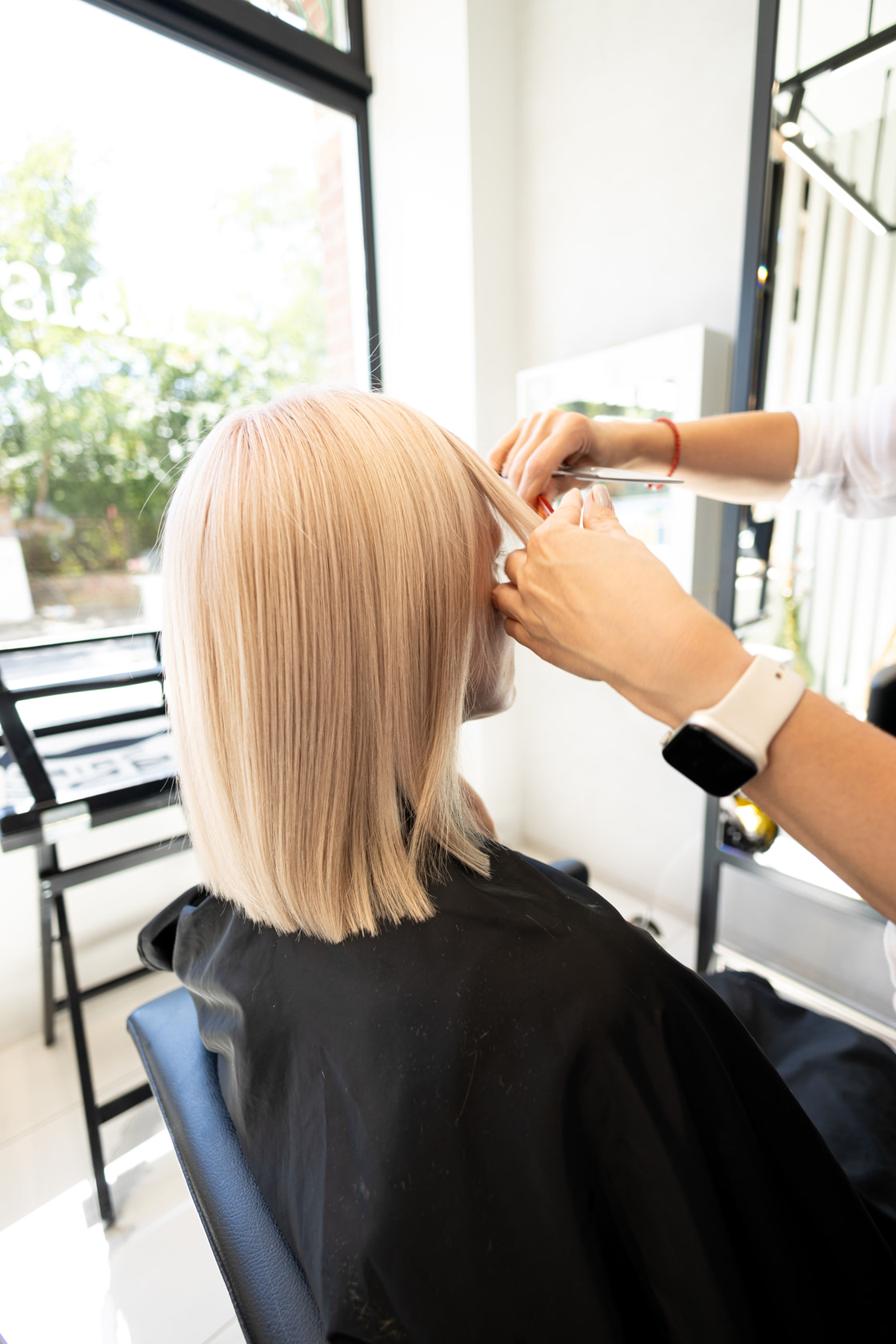
This is why a press set costs more than a single portrait: it isn't one. It's a vertical portrait, a horizontal frame with intentional space for overlaid text, a version on a neutral background that works against both light and dark layouts, and files at print resolution — each requiring its own framing and treatment. You're buying coverage for every request you might realistically receive, not a single image for one specific use.
Built once, used for years
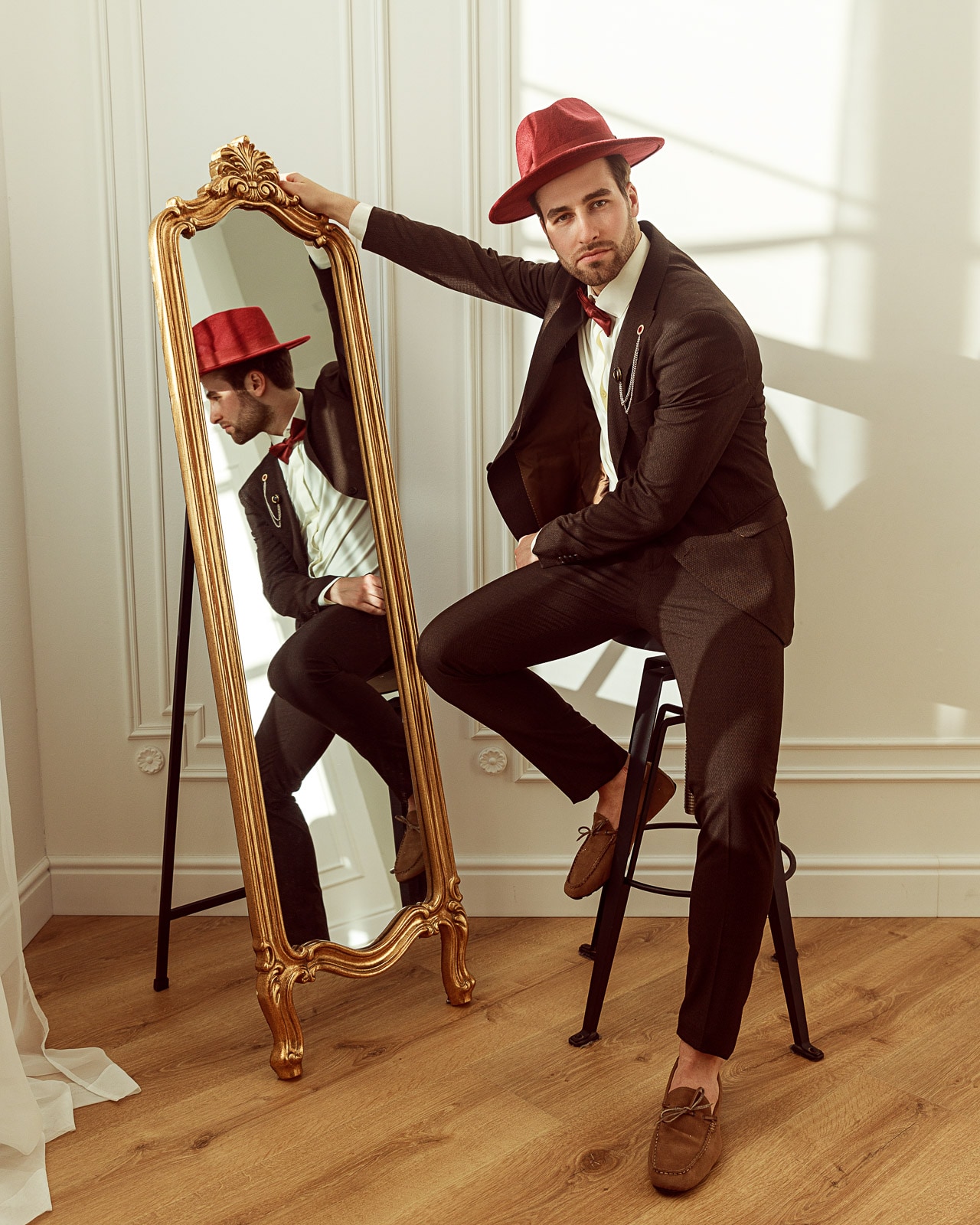
The point of preparing this in advance isn't artistic ambition — it's removing the twenty minutes of scrambling that happen when a request lands at four in the afternoon with a same-day deadline. A press set produced once, correctly, keeps paying off every time a journalist, event organiser or industry publication asks for a photo, without a new session each time.
Overlaps with conference and speaker requirements
For companies with spokespeople or conference speakers, the same session covers press and event programme requirements at once, since the technical demands overlap almost completely — a horizontal frame with space for a name and title works for both a printed programme and a news article. This connects directly to Executive and Leadership Portraits, since the two are often produced in the same visit.
Usage rights that let your team move fast
Files are delivered with written usage rights for press and editorial use, so your communications team can send a link rather than negotiate permission each time a request arrives. This is worth confirming with any photographer before commissioning — unclear usage terms are the most common source of disputes after the fact, usually discovered at the worst possible moment.
When a conference photo genuinely isn't enough
A photo from a conference stage is fine for a social post and fails for print: it's typically low resolution, unevenly lit, and shows a lanyard or a name badge in frame. It's enough right up until a publication actually needs it, at which point it isn't — and that discovery usually happens on their deadline, not yours.
A realistic market quote for a full press set — covering vertical, horizontal, neutral-background and print-resolution formats with written usage rights — typically falls between 300€ and 700€, depending on how many formats and spokespeople are included.
Want a press set ready before a journalist asks?
See Corporate Photography