Fashion Photography · Brussels
Paid Model Test or Free Collaboration: Which One Actually Gets You Booked?
A free collaboration is not free of cost, it costs the calendar and the certainty. Whether that trade is worth it depends on a casting deadline, whether an agency will accept the result, who is actually paying, and whether last year's set still works.
What a free shoot actually costs you
A collaborative test happens when the photographer is available, not when you need it. The selection arrives when it arrives, and the frames serve the photographer's portfolio before they serve yours — which is reasonable, since that is the exchange being made. If there is no deadline behind the request, that trade is a fair one. If there is a casting on the calendar, the uncertainty is exactly what a paid test is built to remove.
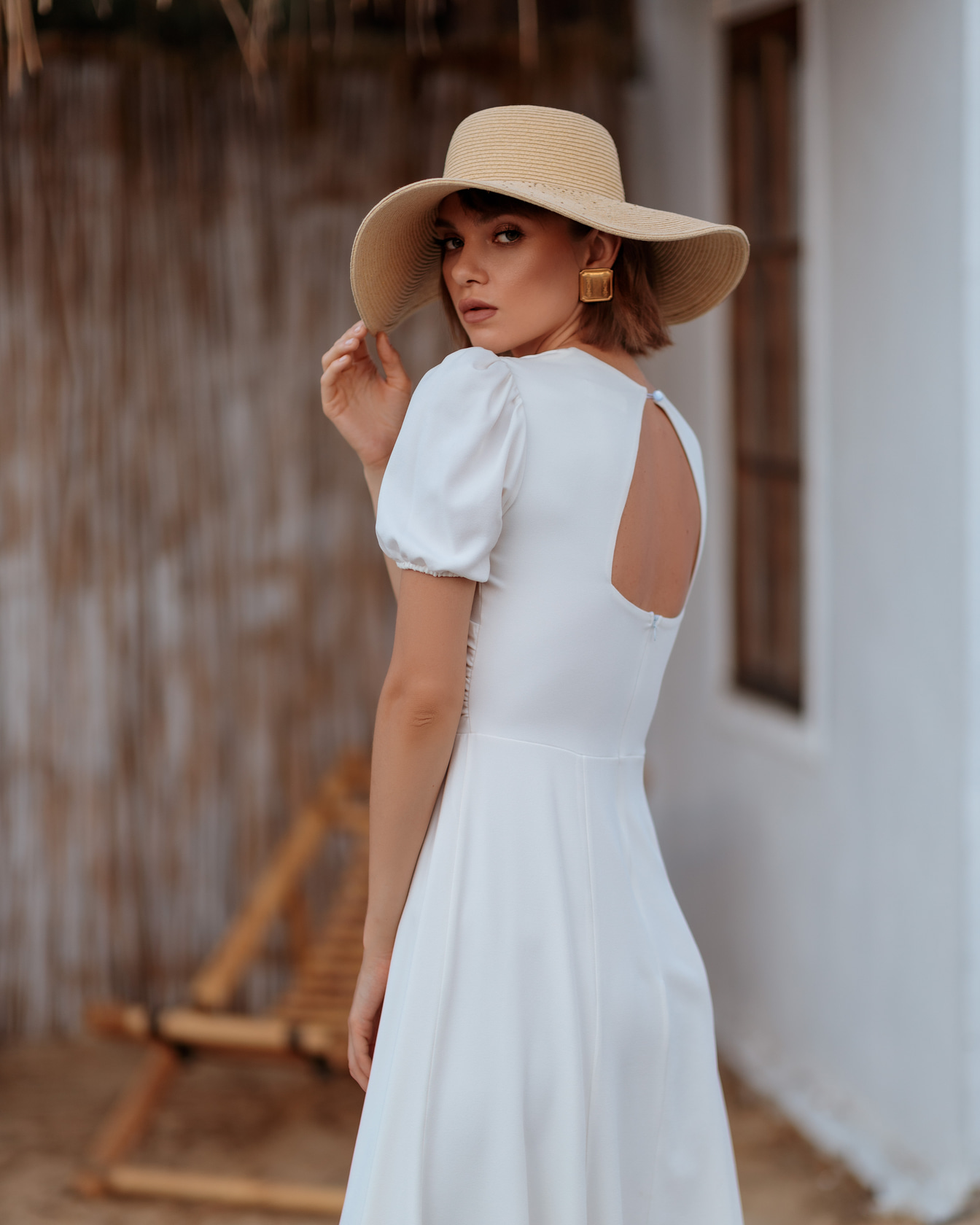
Urgency: what a casting deadline actually needs
A casting date does not move to accommodate a photographer's schedule, so the honest answer to "can this be ready in time" has to come before booking, not after. The turnaround on a paid test is stated upfront rather than estimated once the session is already paid for — the deadline goes in the first message, and if it cannot be met, that is the answer you get immediately instead of the day before the casting.
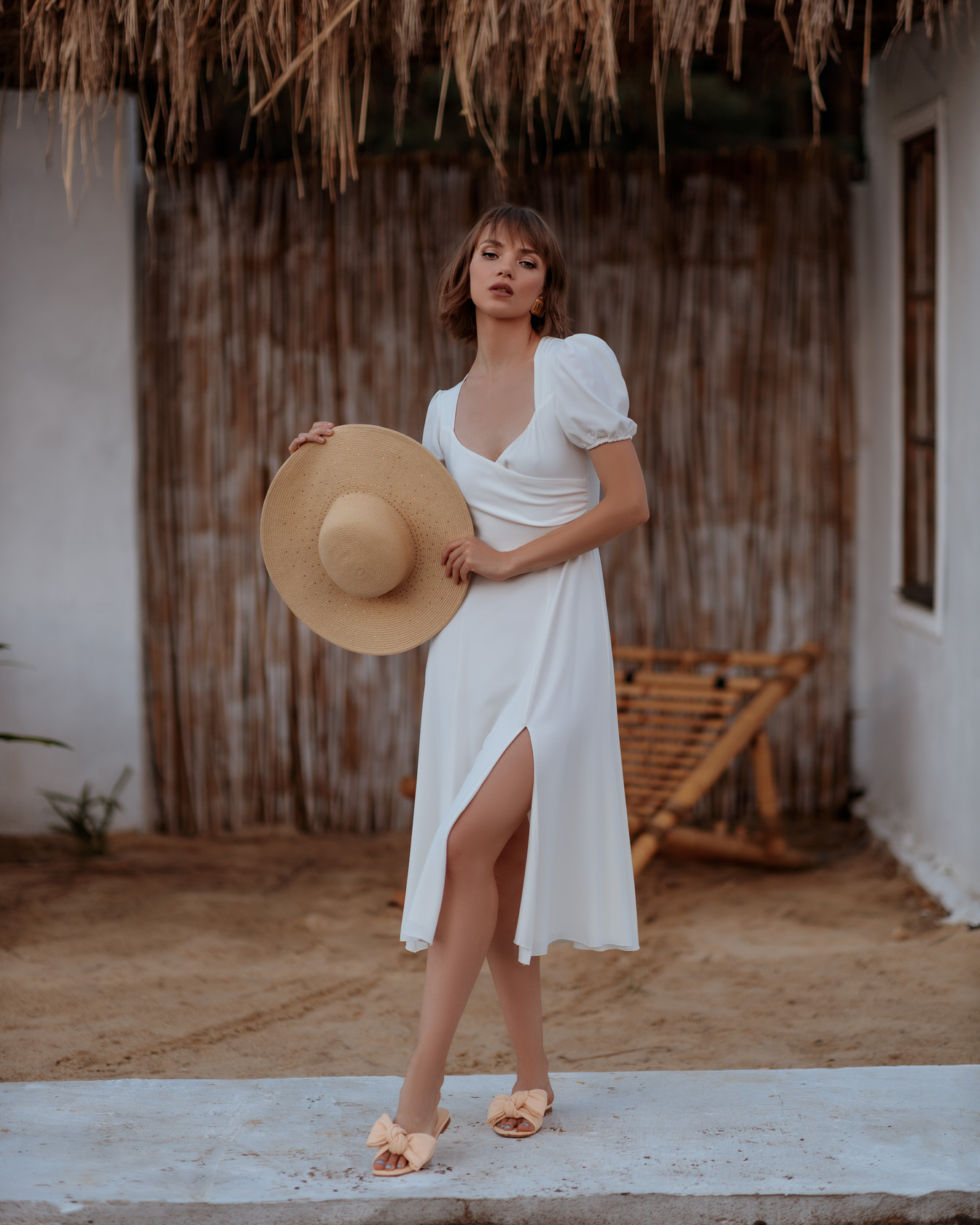
Will agencies actually accept the digitals?
This is the point where a free collaboration most often falls short, not because the photographer lacks skill but because the format was never built to agency specification. Digitals shot to the standard agencies request — front, profile, back, full length, neutral, unretouched — are what gets opened without a follow-up question. Sending an agency's own specification sheet before the session, if one exists, is a five-minute step that prevents a reshoot later.
Who actually pays: the agency or the model
Both book this kind of session, and the difference is mainly about the invoice rather than the service itself. Agencies book for new faces and receive the files directly as part of scouting; models book for themselves to update a book before a season and hold their own usage. This is the one corner of fashion photography where the buyer is regularly an individual spending their own money rather than a company, which is part of why the pricing and turnaround here are built to be direct rather than run through a production process.
Is a set from last year still good enough?
If nothing visible has changed — hair length, weight, anything a scout would notice at a glance — a book from last year is usually still usable. Digitals age faster than the rest of the portfolio, because their entire value is being current: a book with digitals from a year ago reads to an agency as unavailable rather than experienced, which is the opposite of what it is meant to signal.
What a paid test session typically costs
For two to three looks with unretouched digitals and a small set of finished frames, a paid test session in Brussels typically falls between 150€ and 450€. Market estimate based on general Brussels model test pricing patterns, not a fixed rate card. Turnaround is measured in days rather than weeks, which is the part of the price that a casting deadline is actually paying for.
The decision is rarely about the photography itself — both routes can produce a usable set. It is about whether the calendar is yours to control or someone else's, and a casting deadline usually answers that question on its own.
Need a model test or polaroids on a casting deadline?
See Fashion Photography