Fashion Photography · Brussels
Is a Professional Lookbook Shoot Worth It for a Small Clothing Brand?
Five smaller decisions sit inside this one: does the spend match your sales channel, does a three-week runway actually hold, who guarantees the images look like your brand, who carries the risk if a supplier cancels, and whether a phone is genuinely close enough.
The real test is where you sell, not how big you are
Brand size is the wrong variable. The one that matters is whether a customer can touch the garment before paying for it. If most sales happen online, the photograph is the product page — it does the job a shop assistant would do in person, and a small brand selling exclusively online has exactly the same exposure to a weak image as a large one. If most sales happen in a physical store, a smaller session covering the key pieces is usually the better allocation of a limited budget, and a full production is the part that can wait.
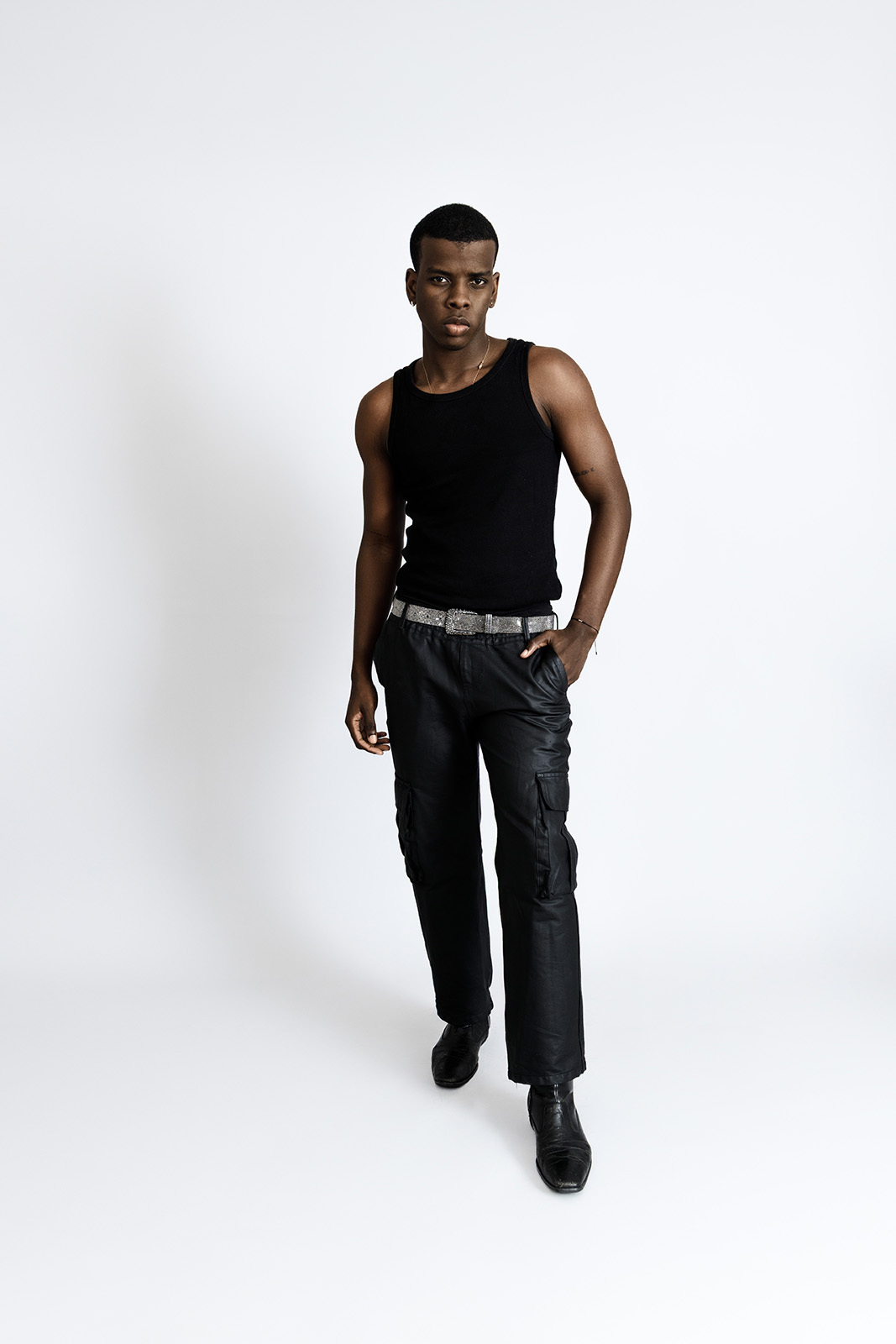
Three weeks is enough time — for the shoot itself
The shooting day is rarely the constraint. What actually threatens a three-week runway is model availability and sample delivery, and the second one is the more common failure point: if the finished samples are not ready, nothing else can be scheduled around them. The question worth asking your production partner in week one is not "can you shoot in three weeks" but "what happens to the date if the samples slip by four days" — the honest answer to that tells you whether the timeline is real.
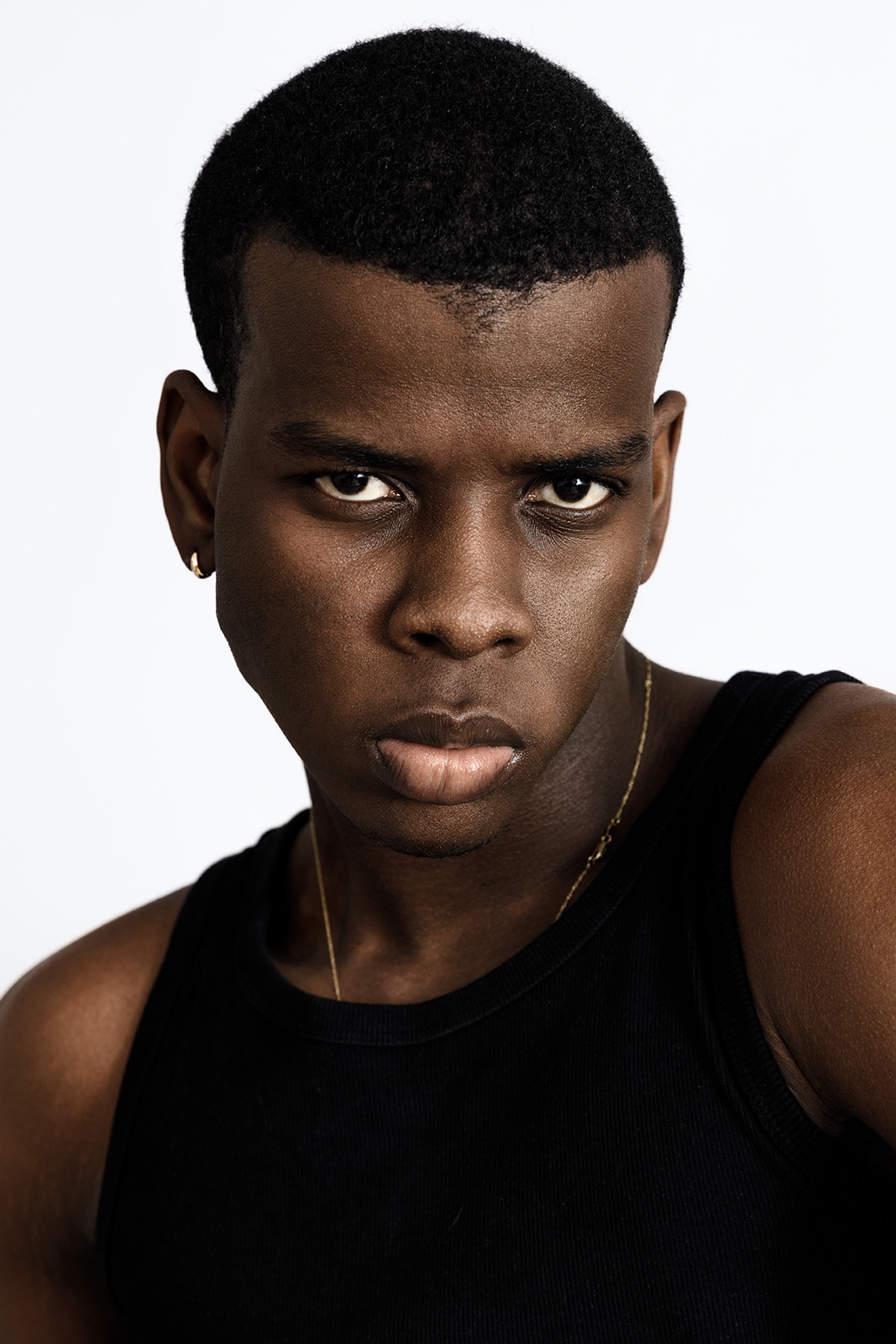
How brand consistency is actually guaranteed
Consistency is not a promise made after the fact, it is a decision made before the shoot. A reference set agreed in writing before the day — framing, light, treatment — fixes what "on brand" means before the first frame is taken, rather than leaving it to be judged once the invoice has already been paid. That planning discipline is the actual product behind lookbook and campaign photography done for repeat seasons: a brand that locks this down once accumulates a visual archive instead of a folder of unrelated seasons.
Who is responsible when the model or stylist cancels
Whether a brand books its own suppliers or has the full production arranged, every model, stylist and location fee should be named and billed at cost rather than folded into one number. That separation matters most when something goes wrong: a defined fallback for the roles that can realistically be replaced at short notice, agreed at the briefing stage, is what stops a cancellation from becoming a lost shooting day. Improvising a replacement on the morning of the shoot is the expensive version of this problem.
Phone vs. professional: the comparison that actually decides it
If a phone shoot sold last season, it worked, and that is the only honest measure of a photograph. It stops working the moment those images sit next to a competitor's professional set in the same feed, the same marketplace category, or the same paid ad placement. That comparison is made by the customer in about a second, it is not made by the brand, and it is exactly why the gap is easy to miss from the inside.
What a single shooting day typically costs
For a small collection, a single-day lookbook production in Brussels — before the separately billed production costs of model, styling and location — typically falls between 600€ and 2,000€. Market estimate based on general Brussels fashion photography pricing patterns, not a fixed rate card. The twelve-month campaign licence that normally comes with it covers paid advertising as well as your website, which in fashion is the standard use of the images rather than an add-on.
The question worth asking is not "can we afford a lookbook shoot" but "what does the current photo cost us every time a customer compares it to a competitor's." For a brand selling online, that second question usually answers the first.
Planning a lookbook or campaign shoot for your next collection?
See Fashion Photography